Compare Local Contractors for Plumbing Relocation Projects
Compare local contractors for plumbing relocation to define scope, verify experience, and set clear expectations for a successful project.
Plumbing relocation projects typically involve rerouting or installing new water supply lines, drainpipes, and related fixtures to accommodate changes in property layout or renovations. This work may include disconnecting existing plumbing systems, running new piping through walls or floors, and ensuring proper connections to existing fixtures or appliances. Proper planning and execution are essential to prevent leaks, maintain water pressure, and ensure compliance with building codes. Understanding the scope of plumbing relocation helps property owners communicate their needs clearly and ensures that the chosen contractors have the experience necessary to handle the complexity of the job.
Defining the scope of a plumbing relocation project is a critical step in working with contractors. Clear, written descriptions of the work-such as which areas require piping changes, the types of materials to be used, and any specific fixtures involved-help set realistic expectations and prevent misunderstandings. A detailed scope also allows property owners to evaluate whether a contractor has the appropriate skills and resources to complete the work effectively. Discussing scope early in the process can highlight potential challenges and ensure that all parties are aligned on project requirements before work begins.
When comparing local contractors for plumbing relocation services, property owners should consider their experience with similar projects and verify their familiarity with local building codes and standards. It’s advisable to review the scope of work proposed by each contractor and ask for detailed descriptions of their approach. Checking references or previous work examples can provide insight into their reliability and quality of work. Additionally, understanding how each contractor plans to communicate and document the project can help set expectations and foster a smooth working relationship. A thorough comparison process supports selecting a service provider capable of delivering the needed work to meet specific property requirements.
Compare local contractors by outlining priorities, verifying experience, and clearly defining scope and expectations in writing.
- Compare Contractors - review multiple local service providers to find the best match for plumbing relocation needs.
- Define Scope Clearly - outline the specific work requirements to ensure all parties understand project expectations.
- Verify Experience - check the background and past work of local contractors to assess their familiarity with plumbing relocation projects.
- Set Expectations in Writing - document project details and agreements to promote clarity and accountability throughout the process.
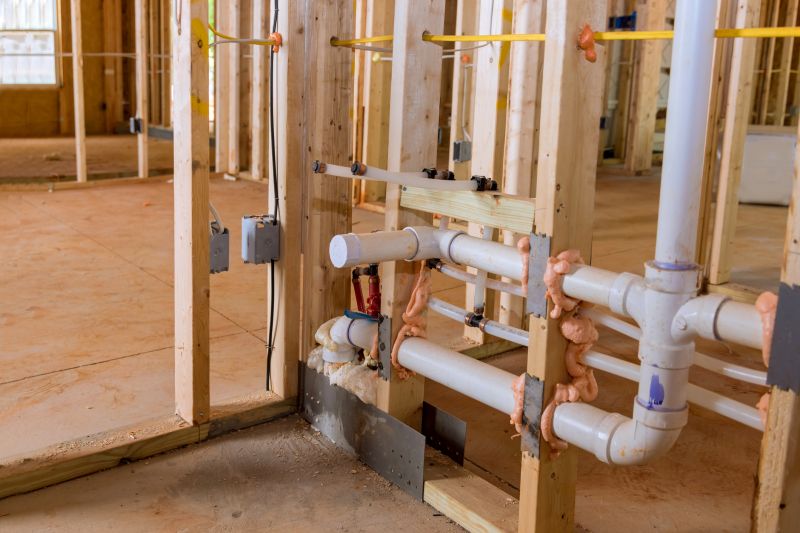
Clearly describe your plumbing relocation project to help local contractors compare options, define scope, and set expectations in writing.
- Verify experience with plumbing relocations to ensure familiarity with similar projects. - Review the scope of work to clearly define the tasks involved in the plumbing relocation.
- Ensure the contractor provides a detailed written estimate outlining the work to be performed. - Confirm that the service provider has the necessary tools and equipment for the job.
- Check references or reviews to assess the quality of past plumbing relocation projects completed by the contractor. - Discuss the plan for rerouting, disconnecting, and reconnecting plumbing systems to avoid misunderstandings.
- Clarify the extent of demolition and restoration work included in the scope of the plumbing relocation. - Make sure the contractor will obtain any required permits or approvals for the work.
- Confirm that the contractor will provide a written contract specifying the scope, materials, and responsibilities. - Compare multiple local contractors to find the best match for the project's specific needs.
Compare local contractors’ experience and services to clearly define your plumbing relocation project scope.
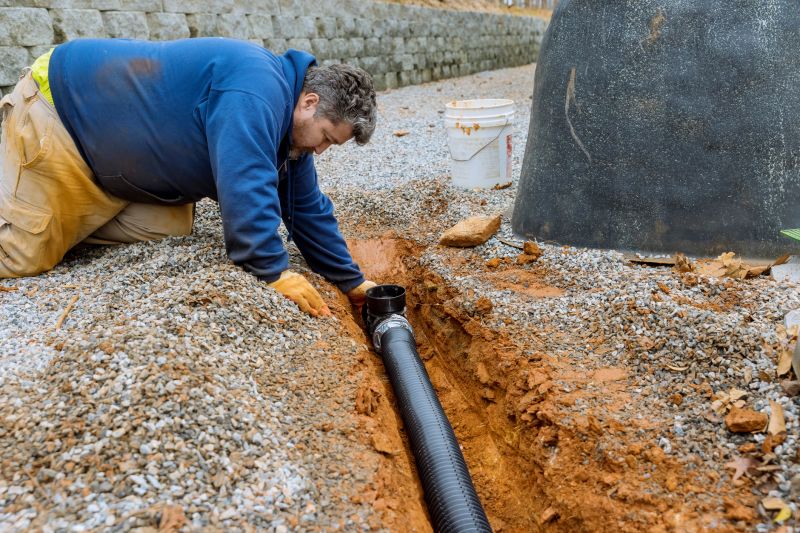
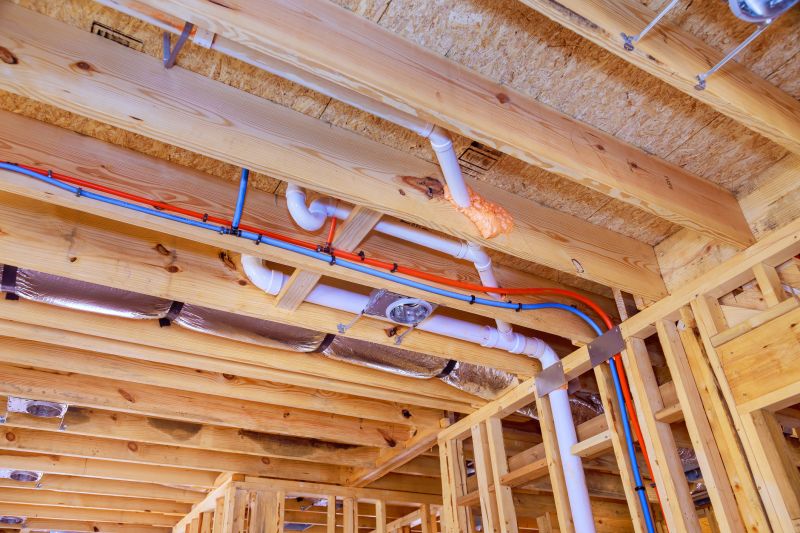

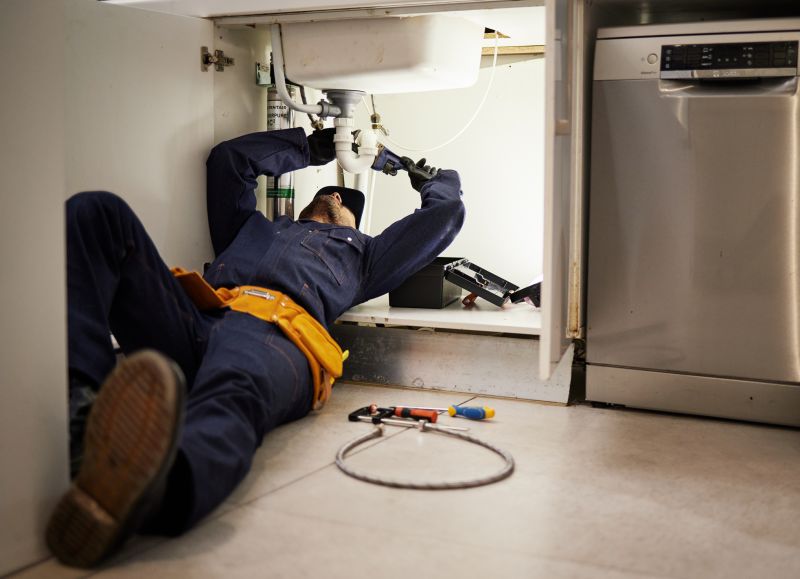
Use consistent comparison criteria across local contractors by clearly defining the scope, verifying experience, and confirming written expectations.
- Scope Definition - Clearly outline the specific plumbing relocation tasks required, including pipe rerouting, fixture adjustments, and connection points.
- Material Specifications - Specify the types and sizes of pipes, fittings, and fixtures to be used in the relocation process.
- Experience Verification - Identify service providers with relevant experience in plumbing relocations similar in scope and complexity.
- Work Area Assessment - Confirm that the work area is accessible and suitable for plumbing work, including any necessary permits or site considerations.
- Written Agreement - Ensure all scope details, responsibilities, and expectations are documented in a formal agreement before work begins.
When evaluating contractors for plumbing relocation projects, it’s important to consider their experience with similar types of work. Service providers who have completed projects comparable in scope and complexity are more likely to understand the unique challenges involved. Asking about their background with plumbing relocations in residential or commercial settings can provide insight into their familiarity with the necessary procedures, materials, and building codes. This experience can help ensure that the work is performed efficiently and meets the specific requirements of the site.
A clear, written scope of work is vital when comparing plumbing contractors. A detailed description of the tasks, materials, and responsibilities helps set expectations and provides a basis for evaluating each service provider’s proposal. Look for contractors who can articulate what is included in the project and identify any potential limitations or assumptions. Having a comprehensive scope in writing reduces misunderstandings and provides a reference point throughout the project, making it easier to address questions or modifications as needed.
Verification of a contractor’s basics involves confirming their ability to deliver the scope of work reliably. This includes reviewing their references or project history that demonstrate successful completion of similar projects. It’s also helpful to verify that they have the necessary insurance coverage and understand local codes and standards relevant to plumbing relocation. Asking for documentation that confirms their experience and understanding of project requirements can help ensure that the chosen service providers are capable of handling the specific demands of the job.
When comparing options among local contractors, focus on their communication and professionalism. Request detailed proposals that include scope, materials, and methods, and assess how well each contractor explains their approach. Clarify any uncertainties and ensure their written scope aligns with project needs. Evaluating their ability to provide clear, comprehensive information allows for a more informed decision based on their expertise and approach, helping to select a service provider best suited to the specific plumbing relocation project.
Ask contractors to provide written scope details to ensure clarity and consistency throughout the plumbing relocation project.
- Experience with Plumbing Relocation - What relevant projects or types of plumbing relocation have local contractors completed?
- Scope of Work - How do service providers define and document the specific tasks included in the plumbing relocation?
- Materials and Methods - What materials and installation techniques do local contractors plan to use for the relocation?
- Project Expectations - How will the scope and responsibilities be outlined in writing to ensure clarity?
- Comparison Criteria - What factors should be considered when evaluating and comparing different local plumbing contractors?
How can I compare different contractors for plumbing relocation? To compare contractors, review their experience with similar projects, verify references or reviews, and assess their scope of services to ensure they meet specific needs.
What should I consider when defining the scope of a plumbing relocation? Clearly outline the areas involved, types of pipes or fixtures to be moved, and any additional work needed, so contractors understand the project requirements upfront.
How can I verify a contractor’s experience with plumbing relocation projects? Ask for details about their past projects, request references, and check for any relevant project portfolios or case studies that demonstrate their expertise.
Why is it important to get the scope of work in writing? Having a detailed written scope helps prevent misunderstandings, sets clear expectations, and provides a reference point for project completion and accountability.
What questions should I ask contractors during the comparison process? Inquire about their experience, the methods they use, the equipment involved, and how they plan to handle potential challenges during the relocation.
How can I ensure the contractor understands my specific plumbing needs? Provide detailed descriptions of your existing setup, desired outcomes, and any concerns to help contractors develop accurate proposals and plans.
This page has highlighted key steps for finding reliable contractors to handle plumbing relocation projects. Visitors learned how to compare local service providers, define the scope of work, verify relevant experience, and set clear expectations through written agreements. Using these strategies can help ensure a smooth process when selecting the right professional for the job.
To make an informed choice, it’s recommended to use the quote form to explore and compare options available in the area. Connecting with experienced local contractors through this process can help identify the service providers best suited to meet specific project needs.